The Future of Human Centric Lighting in Commercial Buildings
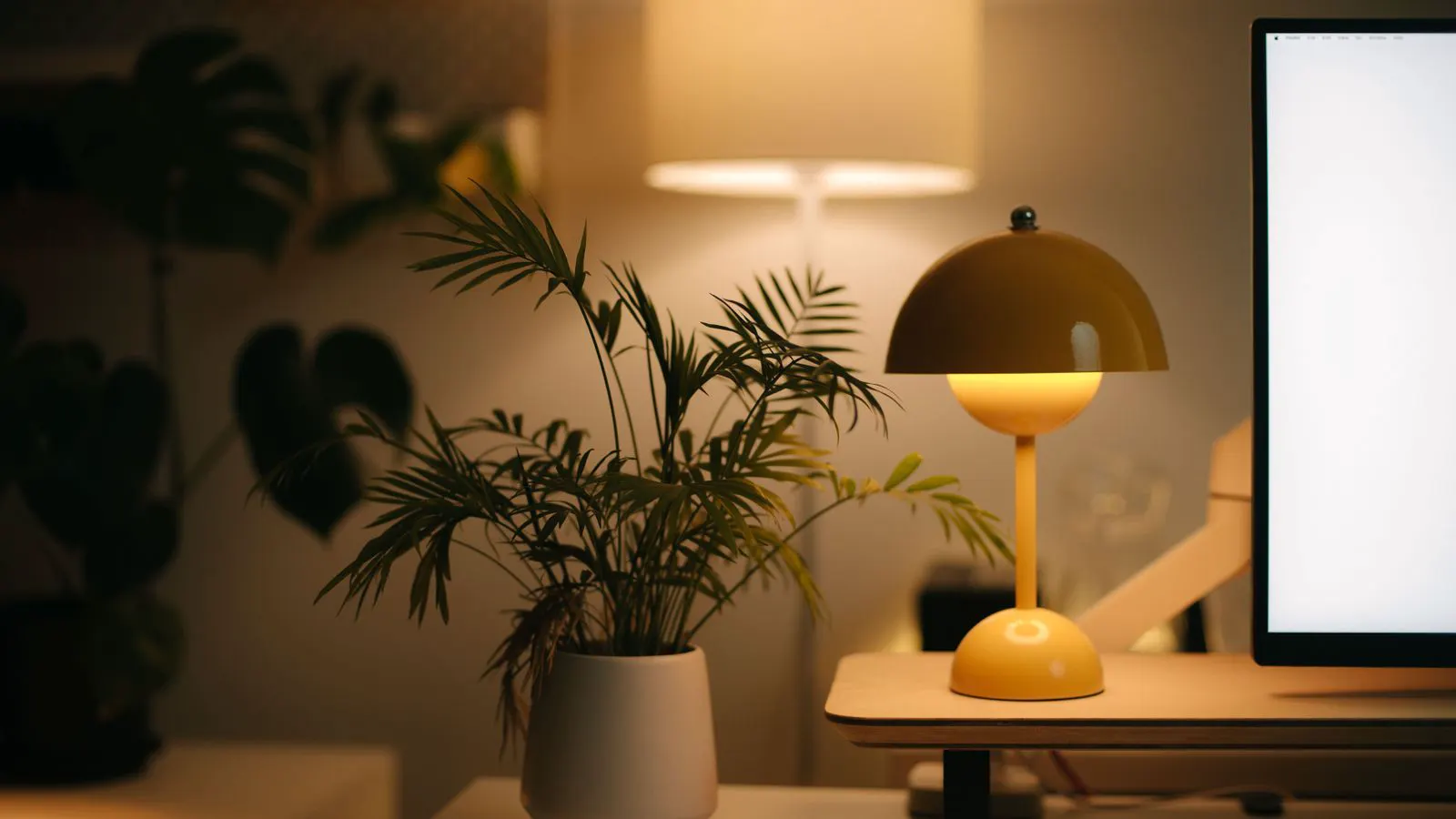
Commercial lighting design is shifting from static fixtures to dynamic systems that adjust color temperature throughout the day. This article outlines five major shifts in office and interior lighting technology and provides a practical framework for preparing building operators and designers for these changes.
- Circadian lighting systems are moving from premium hospitality projects to standard specifications in corporate office spaces.
- Buyers must evaluate control protocols and network integration before selecting fixtures, as compatibility is often the primary point of failure.
- Maintenance costs are shifting from bulb replacement to software updates and sensor calibration.
- Lighting designers are transitioning from lumens per square meter to algorithms that map occupant activity to light parameters.
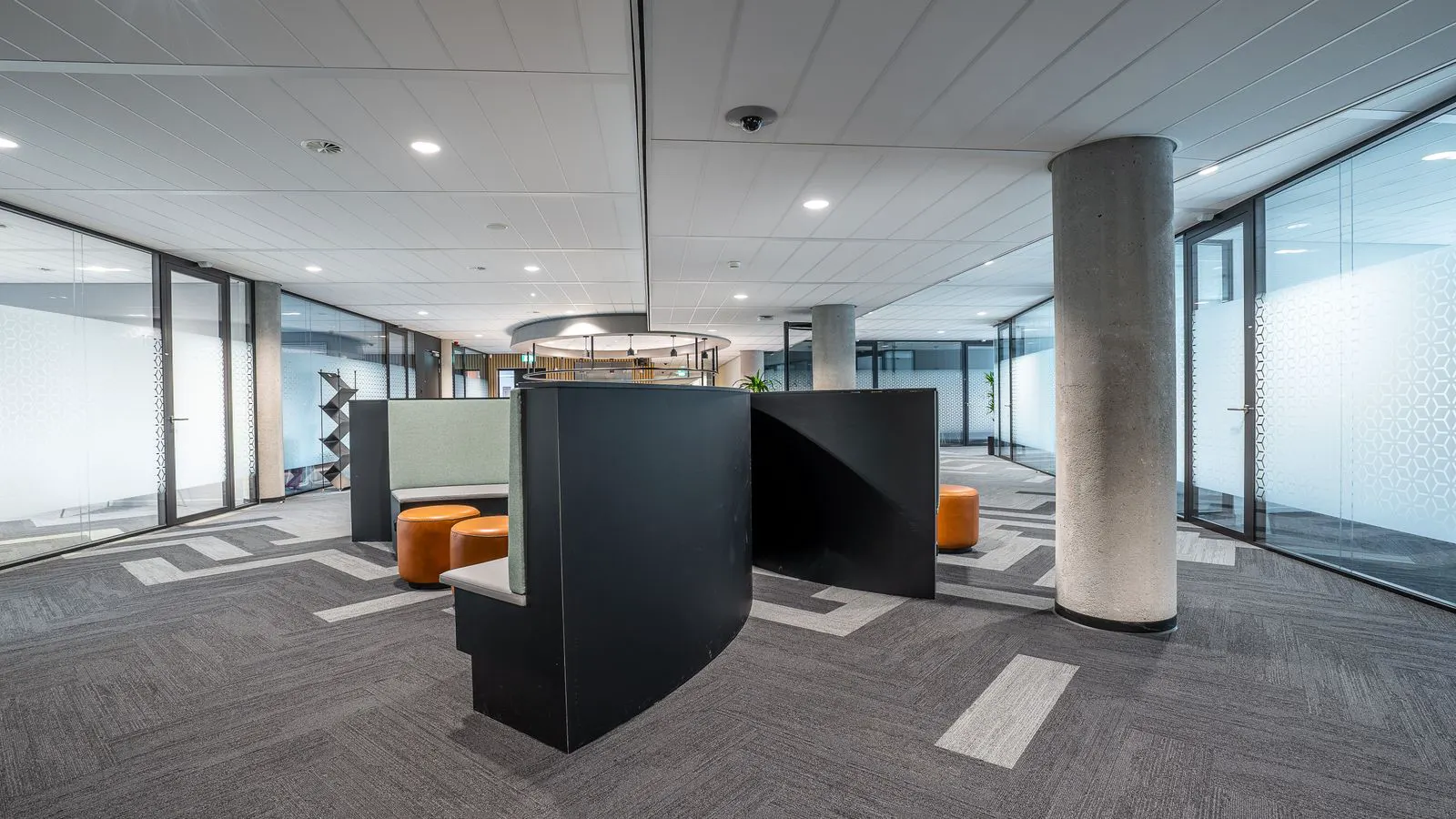
Commercial lighting is undergoing a fundamental transition. The focus is no longer on achieving a single, static lux level. Instead, building operators and designers are asking how light can support human biology and productivity throughout the day. This shift is moving from the pilot projects in high-end hospitality venues to the standard corridors and open-plan offices of the commercial sector.
The technology behind this change relies on tunable white LEDs and advanced control systems. These systems allow fixtures to shift color temperature and intensity based on time of day, occupancy, or natural daylight. For the professional buyer, this means the specification process is changing. It is no longer just about selecting a fixture that delivers a certain lumen output. It is about selecting a system that can integrate with building management and adapt to the needs of the people inside.
How circadian alignment is changing office lighting
The concept of circadian lighting is based on the body’s internal clock. Light exposure, particularly the color temperature of that light, influences the production of melatonin and other hormones that regulate sleep and alertness. In a traditional office, the lighting is often constant. A cool white light at 4000 Kelvin might be used from 8 AM to 6 PM, regardless of the time.
Tunable systems change this approach. Early in the morning, the system might use a warmer, lower-intensity light to ease occupants into the workday. As the day progresses, the color temperature shifts to a cooler, brighter light during peak concentration hours. In the late afternoon, it warms again to signal the end of the workday. For office lighting, this is not just a comfort feature. It is a tool for managing energy and occupant well-being.
However, implementation requires careful planning. The transition between color temperatures must be gradual. A sudden shift can be disruptive and may cause glare. Designers must define the curve of the transition. How fast does the light change? What are the target color temperatures at specific times? These parameters must be programmed into the control system. Without this, the fixtures may deliver the correct light, but the experience will feel mechanical rather than natural.
The role of interior lighting in hospitality spaces
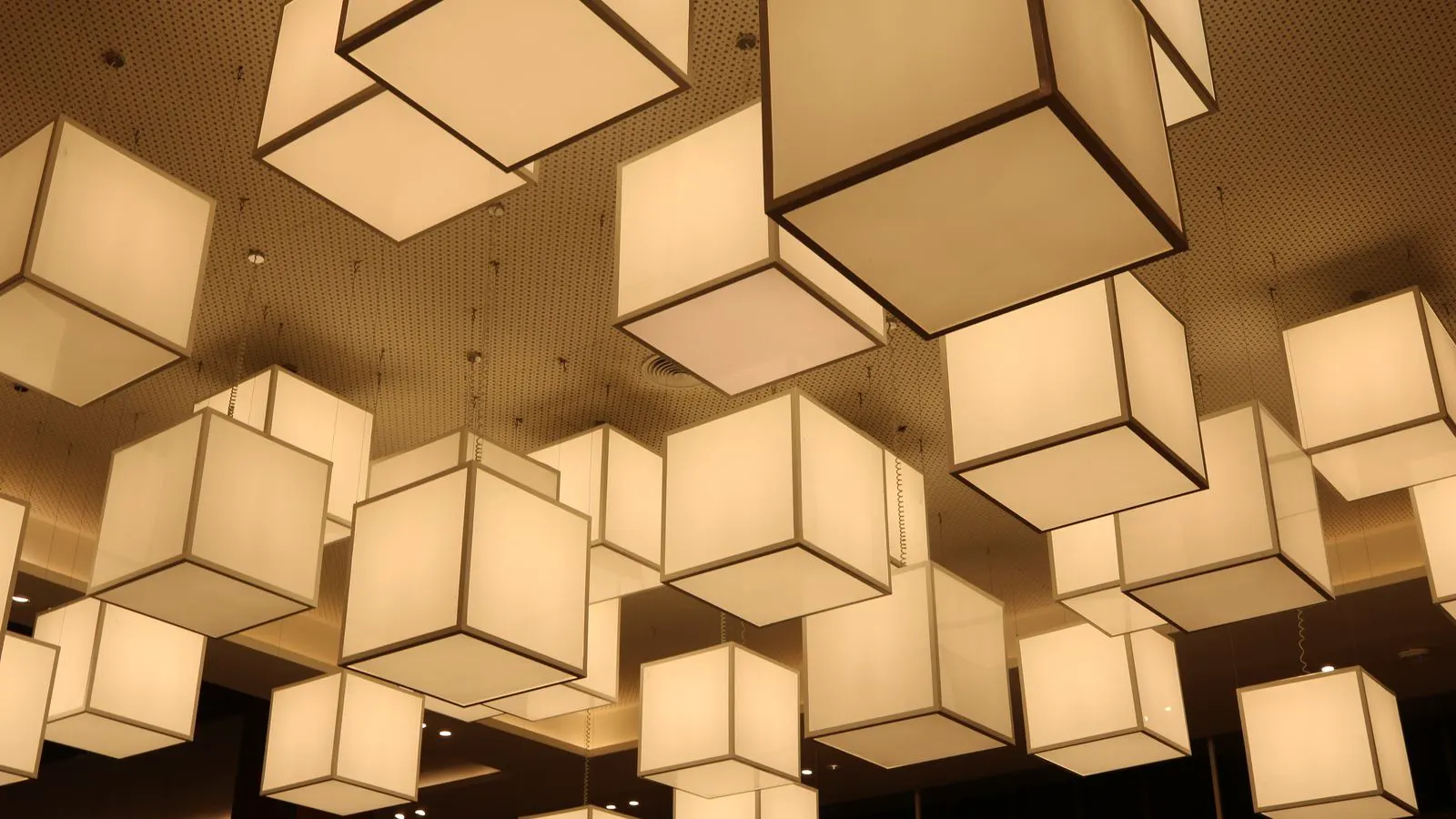
Hospitality spaces have been the early adopters of human centric lighting. Hotels and resorts have used tunable lighting to create moods that support guest relaxation and wakefulness. A hotel room might offer a “sleep” setting that uses low-intensity warm light, and a “wake” setting that provides bright, cool light to help guests start their day.
In commercial hospitality, such as restaurants and conference venues, the application is different. The goal is not to control the guest’s biology directly, but to enhance the atmosphere and extend the usable hours of the space. A restaurant might use dimmer, warmer interior lighting in the evening to create an intimate environment. During the day, the same space might use brighter, neutral light to support business meetings.
The challenge for hospitality operators is balancing aesthetics with functionality. The fixtures must be visually pleasing and unobtrusive. They must also be easy to control. Staff need simple interfaces to adjust the lighting for different events or times of day. A complex system that requires a specialist to operate will not be used. The design must be intuitive.
Control protocols and network integration
The fixtures are only half the equation. The control system is the other half. In the past, lighting controls were local. A dimmer pack on the wall controlled a specific group of fixtures. Today, the trend is toward networked systems. Fixtures communicate with a central controller or a building management system. This allows for centralized programming, occupancy-based control, and integration with other building systems like HVAC or security.
There are several control protocols in use, such as DALI, DMX, and various wireless standards. Each has its strengths and limitations. DALI is deterministic and reliable, making it good for large commercial projects. DMX is standard in the entertainment industry and offers fine-grained control over color and intensity. Wireless protocols offer flexibility in installation but can introduce issues with interference and range.
Buyers must be clear on the required control architecture. If the project is a single building, a local controller may suffice. If it is a multi-site portfolio, a cloud-based management platform may be required to monitor and update settings across locations. The choice of protocol affects the cost of the fixtures, the complexity of the installation, and the long-term maintainability of the system. It is a technical decision that must be made at the specification stage, not after the fixtures are ordered.
Maintenance and lifecycle considerations
The shift to human centric lighting changes the maintenance profile. In traditional lighting, maintenance often involved checking for failed lamps and replacing ballasts or drivers. In tunable LED systems, the physical components are the same, but the failure modes are different. The most common issues are not hardware failures, but software or configuration errors. A fixture may be working perfectly, but the control signal may be lost, or the programming may be incorrect.
This shifts the focus from reactive maintenance to preventive management. Building operators need to monitor the health of the control network. They need to have access to diagnostic tools that can identify which fixture is failing and why. They also need to be prepared for software updates. As control systems evolve, they may receive new features or bug fixes. This requires a process for testing updates in a non-critical area before rolling them out to the entire building.
The lifecycle of the lighting system is also changing. The initial cost of tunable fixtures is often higher than that of standard LED fixtures. However, the potential for energy savings through occupancy-based and daylight-responsive control can offset this over time. The key is to model these savings accurately. A simple payback calculation that only looks at energy costs will miss the value of improved occupant satisfaction and potential productivity gains.
Designing for occupant feedback and flexibility
A major shift in commercial lighting design is the move away from one-size-fits-all solutions. Different occupants have different needs. A software engineer may prefer a bright, cool light for deep focus work. A sales team may benefit from a warmer, dimmer light for client-facing interactions. The design should allow for flexibility.
This can be achieved through zoning. Different areas of a building can have different lighting profiles. Open-plan areas can be divided into zones that respond to the activity occurring in each zone. A meeting area might have a different profile than a quiet work zone. Occupant feedback tools, such as mobile apps or wall panels, can allow users to adjust the lighting in their immediate area.
However, there are limits to occupant control. If every user can set the lighting to their preference, the result can be chaotic. A good design establishes a baseline that supports the building’s primary function, and then allows for limited adjustments within that baseline. The system should be programmed with a default circadian curve, and users should be able to deviate from that curve only for short periods or within specific zones.
Planning for the future of commercial lighting
The future of commercial lighting is not about a single breakthrough technology. It is about the maturation of existing technologies and their integration into broader building strategies. Tunable white LEDs, occupancy sensors, and networked control systems are already available. The challenge is to specify them effectively and to prepare the building management team to operate them.
Buyers and designers should take a systematic approach. Start with the building’s goals and the occupant needs. Define the lighting scenes and the control logic. Select fixtures and controls that are compatible and scalable. Develop a training plan for the facilities team. And establish a monitoring process to ensure the system is performing as intended.
The transition to human centric lighting is an investment in the building’s adaptability. It allows the space to change as the way people work and live changes. By planning for this shift, building owners can create spaces that are not only efficient but also more comfortable and productive. The technology is ready. The next step is to apply it with intent and discipline.
A practical framework for specification
To help buyers and designers prepare, the following table outlines the key decision points in specifying a human centric lighting system.
| Decision Point | Key Considerations |
|---|---|
| Control Protocol | Determine if DALI, DMX, or wireless is required based on scale and integration needs. |
| Color Temperature Range | Define the minimum and maximum CCT values. Typical ranges are 2700K to 6500K for office spaces. |
| Transition Speed | Specify how quickly the light should change. Slow transitions (minutes) are generally preferred for comfort. |
| Occupancy Sensors | Decide if motion or presence sensors will be used. Presence sensors are better for human centric applications as they detect static occupancy. |
| Daylight Integration | Determine how the system will respond to natural light. Daylight-responsive dimming can save energy and improve uniformity. |
| User Interface | Identify how occupants and staff will interact with the system. Wall panels, mobile apps, or central dashboards must be accessible. |
The implementation of these decisions requires a numbered list of actions that should be taken during the design and installation phase.
- Conduct a lighting audit to identify existing fixtures and control systems.
- Define the circadian curve for the building, including target CCT and illuminance levels at different times of day.
- Select fixtures that support the required color temperature range and control protocol.
- Design the control architecture, including the placement of sensors and the routing of communication cables.
- Program the control system and test the transitions in a non-critical area.
- Train the facilities team on the operation and maintenance of the system.
- Monitor the system for the first six months to identify and resolve any configuration issues.
Frequently asked questions
What is the difference between tunable white and RGB lighting in commercial spaces?
Tunable white lighting changes the color temperature of a single white light source, ranging from warm to cool. RGB lighting mixes red, green, and blue LEDs to create a wide spectrum of colors, which is better for mood lighting but less suitable for task lighting.
How much does a human centric lighting system cost compared to standard LED lighting?
The initial cost of tunable fixtures and control systems is typically higher than that of standard LED fixtures. However, the total cost of ownership can be competitive when energy savings and potential productivity improvements are considered.
Can existing LED fixtures be retrofitted to support tunable lighting?
In some cases, yes. If the existing LEDs are capable of a wide color temperature range and the drivers support it, the fixtures may be usable. However, most retrofits require replacing the fixtures with new ones that are designed for tunable control.
What are the main challenges of integrating lighting with a building management system (BMS)?
The main challenges are protocol compatibility and data security. The lighting control system must use a protocol that the BMS can understand, and the network must be segmented to prevent unauthorized access.
How long does it take to install a networked lighting system in a commercial building?
Installation time varies depending on the size and complexity of the project. A single-floor office might take a few days, while a multi-story building could take several weeks. The most time-consuming part is often the programming and testing of the control system.