High-Bay LED vs HID: A Practical Comparison for Warehouses
High-bay LED systems generally outperform HID fixtures due to lower energy consumption, reduced maintenance, and longer service life. This comparison highlights the technical and financial trade-offs for warehouse lighting upgrades.
- High-bay LED fixtures offer significantly lower lifecycle costs compared to traditional HID systems.
- Maintenance schedules change dramatically when moving from metal halide to LED technology.
- Lumen maintenance and heat management are key factors in industrial lighting selection.
- Retrofitting existing fixtures is often more cost-effective than full replacement.
- Proper controls and dimming features improve warehouse lighting efficiency.
Why Warehouse Lighting Efficiency Matters
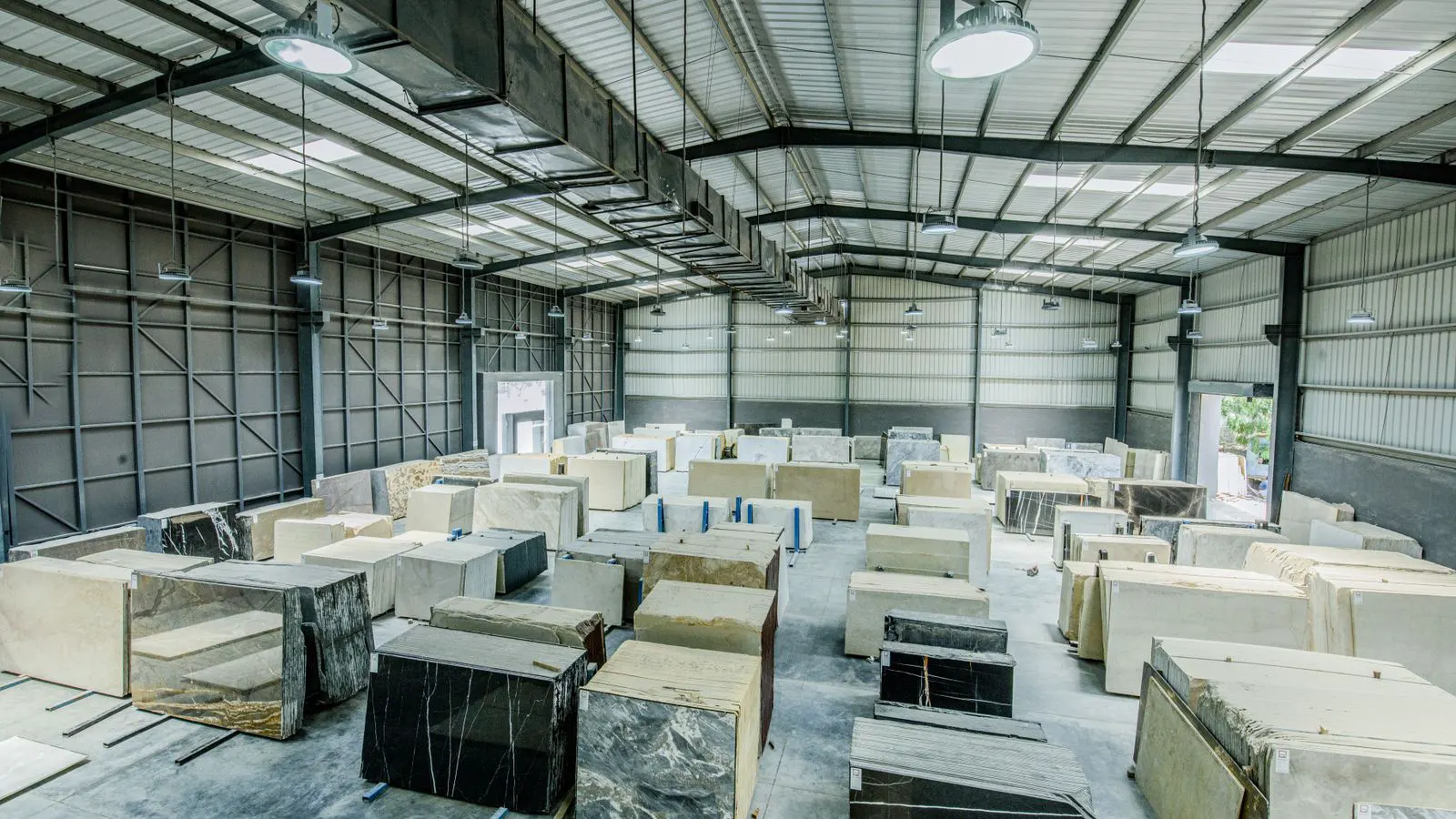
Warehouse lighting is a major operating expense. It runs for long shifts, often 24 hours a day, and covers large floor areas with high ceilings. The choice between legacy HID systems and modern LED fixtures directly impacts energy bills, maintenance labor, and operational uptime.
Historically, metal halide and high-pressure sodium lamps dominated the high-bay market. They provided the necessary intensity for large industrial spaces. Today, LED technology has shifted the baseline for new installations and major retrofits. Understanding the differences between these two technologies helps justify capital expenditures and maintenance planning.
Lumen Output and Lumen Maintenance
Lumen maintenance describes how well a light source retains its brightness over its service life. HID lamps degrade gradually. They often require replacement even if they are still producing light, as the output drops below acceptable levels for safety and visibility.
LED systems operate differently. LED drivers and power supply units can fail, but the light engine itself usually maintains consistent output until the driver or power supply reaches end of life. This stability simplifies maintenance planning. Facilities managers can predict replacement cycles more accurately with LED systems.
When comparing high-bay LED vs HID systems, lumen maintenance is a critical operational factor. HID systems require more frequent lamp changes. LED systems generally run longer between major maintenance events. This reduces labor costs and minimizes downtime for lighting failures.
Energy Consumption and Thermal Management
HID fixtures consume more electricity per lumen than LED fixtures. The energy difference can be substantial over the lifespan of the system. HID lamps also generate significant heat. This heat can affect the surrounding environment and may require additional cooling in certain facilities.
LED fixtures are more efficient at converting electricity into visible light. They produce less waste heat. This reduces the load on building HVAC systems. In warehouses with high ceilings, the thermal profile of the lighting system matters for worker comfort and equipment performance.
The energy savings from high-bay LED vs HID systems translate to lower utility bills. The exact savings depend on the specific fixtures, usage patterns, and local electricity rates. However, the trend is consistent. LED systems typically consume less energy per unit of light produced.
Maintenance and Replacement Cycles
Maintenance is a major difference between HID and LED systems. HID fixtures require regular lamp changes. The process involves climbing to height, replacing the lamp, and testing the ballast. This is labor-intensive and requires specialized tools and safety equipment.
LED fixtures have fewer moving parts and no replaceable lamps. The primary maintenance task involves cleaning the lenses and inspecting the power supply. If the driver or power supply fails, the entire fixture may need replacement. This is a different failure mode than HID systems.
The maintenance model shifts from frequent, small tasks to infrequent, larger tasks. HID systems demand regular attention. LED systems require less frequent intervention but may involve higher single-event replacement costs. Facilities managers must account for this in their maintenance budgets.
Comparison of High-Bay LED vs HID Options
| Option | Best for | Limitations |
|---|---|---|
| HID (Metal Halide) | Legacy facilities with existing infrastructure | High energy consumption, frequent lamp changes, shorter service life |
| HID (High-Pressure Sodium) | Low-intensity exterior or remote applications | Warm color temperature, lower lumen efficacy, not ideal for detailed warehouse tasks |
| LED (Retrofit) | Upgrading existing HID fixtures without full replacement | May require new drivers and ballasts, limited color temperature options in some models |
| LED (New Build) | New construction or major renovations | Higher upfront cost, requires proper electrical infrastructure |
| Hybrid Systems | Phased upgrades in large facilities | Complex control systems, potential for inconsistent light levels during transition |
When to Choose High-Bay LED
High-bay LED systems are the standard for new industrial and warehouse lighting installations. They offer the best combination of energy efficiency, maintenance reduction, and light quality. The upfront cost is higher than HID systems, but the lifecycle cost is typically lower.
LED systems are particularly beneficial in facilities with high ceilings, where the cost of maintaining HID fixtures becomes prohibitive. They are also ideal for warehouses that operate 24/7, as the energy savings compound over time.
The shift to LED is driven by several factors. First, energy costs are rising. Second, maintenance labor is expensive. Third, LED fixtures provide better color rendering, which improves visual comfort and safety. These factors make LED the default choice for most warehouse lighting projects.
When to Consider HID or Hybrid Approaches
HID systems still have a place in certain applications. Legacy facilities with existing HID infrastructure may benefit from a phased upgrade approach. This allows for budget management and minimizes disruption to operations.
Hybrid systems combine LED and HID fixtures. This approach is useful when a facility has varying lighting requirements. For example, a warehouse may have high-intensity zones for picking and packing and lower-intensity zones for storage. LED fixtures can be installed in the high-intensity zones, while HID fixtures remain in the lower-intensity zones.
The decision to keep HID fixtures depends on the age and condition of the existing system. If the HID fixtures are nearing end of life, replacement is often more cost-effective than repair. If the fixtures are still functional and the facility has a long-term upgrade plan, a hybrid approach may be appropriate.
Controls and Dimming Features
Controls are a key differentiator between HID and LED systems. HID fixtures have limited dimming capabilities. They may support on/off controls or basic dimming, but the range is limited.
LED fixtures offer advanced dimming and control options. They can be integrated with occupancy sensors, daylight harvesting systems, and programmable schedules. These features improve warehouse lighting efficiency by adjusting light levels to actual usage patterns.
For example, a warehouse may operate at full brightness during the day and reduced brightness at night. LED controls can automate this transition. This reduces energy consumption and extends the service life of the fixtures.
Practical Considerations for the Switch
Switching from HID to LED requires careful planning. The electrical infrastructure must support the new fixtures. HID systems often use different voltage levels and ballast types. LED fixtures may require new wiring or electrical panels.
The physical mounting points must also be considered. HID fixtures are heavier than LED fixtures. The mounting structure must support the additional weight of the LED fixtures, or the mounting may need to be reinforced.
The color temperature and color rendering index (CRI) of the LED fixtures should be selected based on the warehouse tasks. Higher CRI values improve visual comfort and safety. Color temperature should match the existing lighting or the desired atmosphere of the space.
Final Thoughts on High-Bay LED vs HID
The comparison between high-bay LED and HID systems is clear. LED systems offer superior energy efficiency, lower maintenance, and better light quality. The upfront cost is higher, but the lifecycle cost is typically lower.
The decision to switch depends on the specific needs of the facility. Legacy facilities may benefit from a phased upgrade approach. New construction and major renovations should default to LED systems.
For most warehouses, the move to LED is the most practical and economically sound choice. It reduces operating costs and improves the operational performance of the facility. The technology is mature and widely available, making it a reliable option for industrial lighting.
Frequently asked questions
Can I retrofit my existing high-bay fixtures to use LED?
Yes, many HID fixtures can be retrofitted to use LED. This involves replacing the ballast and lamp with an LED module and driver. It is often more cost-effective than replacing the entire fixture.
How long does a high-bay LED fixture last compared to HID?
LED fixtures generally last significantly longer than HID lamps. While HID lamps may last 10,000 to 15,000 hours, LED fixtures can last 50,000 to 100,000 hours or more, depending on the quality of the components.
Are there any safety concerns with switching to LED?
The main safety concern is ensuring the electrical infrastructure can support the new fixtures. The mounting structure must also be able to support the weight of the LED fixtures. Proper installation by qualified electricians is required.
How do I calculate the energy savings from switching to LED?
You can calculate the energy savings by comparing the wattage of the existing HID system to the wattage of the proposed LED system. Multiply the difference by the number of hours the lights are used and your electricity rate.
Do LED fixtures provide the same light quality as HID?
LED fixtures can provide equal or better light quality than HID fixtures. They offer higher CRI values and better color rendering. This improves visual comfort and safety in the warehouse.