High Pressure vs Low Pressure Sodium LED Comparison
High and low pressure sodium LED street lighting differ in color temperature and beam control. High pressure mimics warm amber light, while low pressure offers cooler white. Choose based on your lighting goals and local regulations.
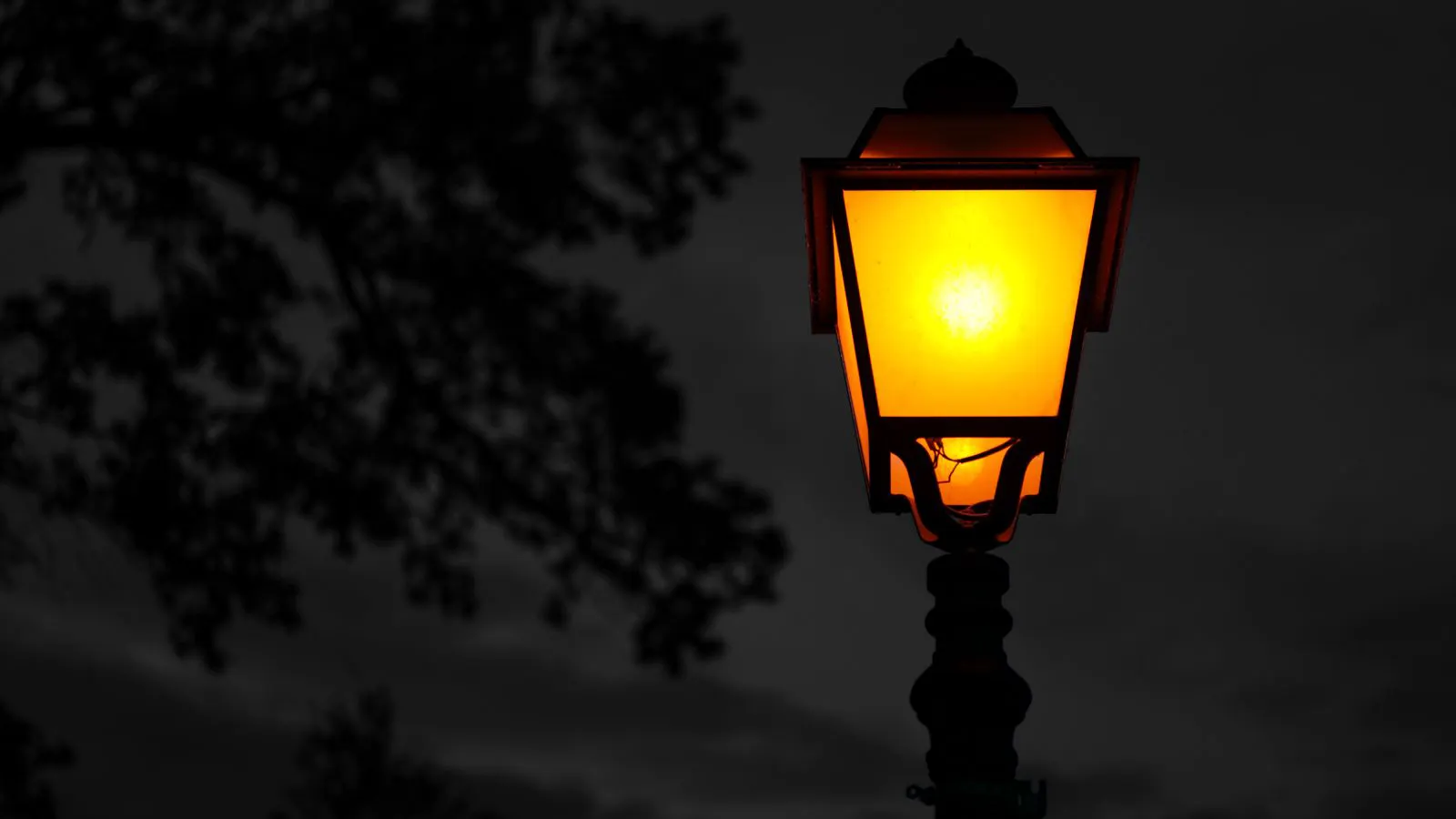
- High pressure sodium LED units replicate the traditional amber glow of older metal halide systems.
- Low pressure sodium LED options provide cooler, whiter light with better visibility.
- Local regulations and community preferences often drive the final light source choice.
- Beam control and lumen output remain critical factors regardless of the chosen color temperature.
What are the core differences between these two options?
High pressure and low pressure sodium LED street lighting solve the same problem in different ways. They both replace older gas discharge lamps, but they target different visual outcomes. High pressure models mimic the amber glow of legacy systems. Low pressure units lean toward a cooler, whiter light that resembles modern white LED fixtures. The choice depends on your site requirements, local rules, and how you want the area to feel.
At the core, the difference is in the color mixing ratio used by the LED engine. High pressure sodium LEDs use a specific phosphor blend that produces a deep yellow or amber light, closely matching the 2200 Kelvin to 2700 Kelvin range of the sodium vapor lamps they often replace. This makes them a direct visual substitute for older streetlights. Low pressure sodium LEDs use a different phosphor recipe that yields a warmer white light, typically in the 3000 Kelvin to 3500 Kelvin range. This tone is softer than the 4000 Kelvin or 5000 Kelvin light found in many standard white fixtures, but it is noticeably brighter and clearer than amber.
The distinction matters for how drivers and pedestrians perceive the space. Amber light provides a soft, low-contrast environment that feels familiar in residential or historic zones. It can make depth perception slightly more difficult due to the single-color spectrum, but many users find it less fatiguing after long drives. Cooler low pressure sodium light offers better contrast and color distinction, allowing users to identify signage and hazards more quickly. The trade-off is that the cooler light is more visible to neighbors and can increase perceived brightness, which sometimes leads to complaints if the area is sensitive to glare.
Selecting the right option requires understanding that these are not just different shades of yellow. They represent two distinct approaches to transitioning away from gas discharge lamps. High pressure sodium preserves the visual heritage of the street. Low pressure sodium modernizes the lighting while keeping it away from the harshness of standard white. Both are solid-state devices, meaning they have no filament to burn out or gas to refill. They are engineered to last for the full lifecycle of the streetlight, which is often 15 to 20 years or more.
How do the light outputs compare?
Both options offer strong lumen output. High pressure sodium LED street lights typically match the brightness of older amber fixtures. This makes them a direct swap in many retrofits. Low pressure sodium LED street lights also deliver high lumens, but the cooler color temperature can make the same lumen count appear brighter. This optical effect often reduces the number of fixtures needed for equal perceived illumination.
Understanding lumen output is only half the equation. The other half is how that light is distributed. A high pressure sodium unit might be rated for 15,000 lumens, while a low pressure sodium unit might be rated for 18,000 lumens. On paper, the low pressure unit looks brighter. In practice, the human eye is more sensitive to shorter wavelengths. This means the 18,000 lumens of low pressure sodium will appear significantly brighter than 15,000 lumens of high pressure sodium.
Check your specification sheets for candela per lumen ratios. A lower ratio indicates tighter beam control. This matters for outdoor LED lights because it determines how much light reaches the pavement versus the sky. For example, a fixture with a 10-degree beam angle will throw a narrow, intense spot of light. A fixture with a 60-degree beam angle will spread that same lumen count over a much wider area. For street lighting, you generally want a distribution pattern that puts the most light on the road surface where pedestrians and drivers are. This is often measured using IESNA photometric curves.
When comparing two fixtures with similar lumen outputs, look at the uniformity ratio. A uniformity ratio of 1.0 means the brightest point on the pavement is exactly as bright as the darkest point. A ratio of 1.5 means the brightest point is 1.5 times brighter than the darkest. Low uniformity creates patches of light and shadow, which can be confusing for drivers. High pressure sodium fixtures often have slightly softer uniformity ratios, which can be desirable in residential areas where you want to avoid harsh contrast. Low pressure sodium fixtures often have tighter uniformity, which is better for commercial zones where clear visibility is the priority.
Which option fits specific lighting requirements?
| Option | Best for | Limitations |
|---|---|---|
| High Pressure Sodium LED | Amber glow preference, strict retrofit matching, noise-sensitive areas | Warmer color, potential glare in open areas |
| Low Pressure Sodium LED | General outdoor use, security lighting, mixed traffic zones | Cooler tone, may clash with historic site aesthetics |
| Standard White LED | Maximum visibility, new installations, high security zones | Higher cost, potential community pushback in some areas |
High pressure sodium LED street lighting works well when you need to maintain a specific visual identity. Many cities mandate amber or warm white light to reduce light pollution. These units fit that need. Low pressure sodium options suit mixed-use areas where drivers and pedestrians need clear visibility. They offer a middle ground between amber and pure white.
Consider a historic downtown district. The city may have a lighting ordinance that requires all streetlights to appear amber to preserve the character of the old brick buildings. In this case, high pressure sodium is the only viable option. If you installed standard white or low pressure sodium, the buildings would look washed out and the streets would feel modern and out of place. The amber light creates a cohesive visual environment that supports the historic feel.
Now consider a suburban arterial road that connects a residential neighborhood to a commercial strip. The commercial side needs high visibility for shop windows and parking lots. The residential side needs soft light to minimize disruption to neighbors. Low pressure sodium offers a compromise. It is bright enough to illuminate the commercial zone effectively but warm enough to be acceptable in the residential area. It avoids the harshness of 5000 Kelvin white light, which can make residential windows look like they are glowing at night.
For industrial parks and logistics centers, the choice is often driven by safety requirements. Workers need to see obstacles and signage clearly. Low pressure sodium provides better color rendering than high pressure sodium, making it easier to distinguish between different colored safety cones or warning signs. However, if the industrial park is located next to a residential area, you may need to use high pressure sodium on the boundary poles to reduce the light spill into the homes.
How do these sources handle glare and sky glow?
Glare control is a major factor in street light design. High pressure units often use tighter beam angles to keep light down on the road. This reduces upward light spill. Low pressure units may have slightly wider distributions, which can increase sky glow if not managed.
For outdoor LED lights, the lens design and mounting height matter more than the color temperature alone. A well-designed high pressure fixture can outperform a poorly designed low pressure unit in terms of sky light reduction. Check the IESNA curves for each model. Look for a high cutoff angle to ensure light stays where it is needed.
Sky glow is the light that escapes upward into the atmosphere. It scatters off clouds and aerosols, reducing the visibility of stars and increasing the ambient brightness of the night sky. This is a growing concern for astronomers and for communities that value dark skies. High pressure sodium light, with its longer wavelengths, scatters less in the atmosphere than shorter wavelengths. This means that for the same amount of light, high pressure sodium produces less sky glow than low pressure sodium or standard white.
However, the fixture design is the primary determinant of sky glow, not just the color. A low pressure sodium fixture with a full cutoff design can have a similar sky glow rating to a high pressure sodium fixture with a wide beam. The cutoff design uses a lens or reflector to block any light that travels above a horizontal angle. This forces all the light to travel downward or parallel to the ground. When evaluating fixtures, ask for the UGR (Unified Glare Rating) value. A lower UGR indicates less glare. For street lighting, a UGR of 10 or lower is generally considered good. A UGR of 15 or higher is often considered excessive for residential areas.
Glare is also affected by the mounting height. If you mount a light too high, the beam spreads out and more light hits the ground at a steep angle, creating reflections that can blind drivers. If you mount it too low, the light may not cover the full width of the road. The ideal mounting height is usually between 12 and 15 meters for standard roads. This height allows the light to reach the pavement at a shallow angle, reducing glare and maximizing the area illuminated.
What are the typical installation and maintenance differences?
Both high and low pressure sodium LED street lights use similar mounting hardware. The primary differences lie in driver compatibility and thermal management. High pressure units may have slightly higher operating temperatures due to the color conversion process. This can affect lifespan in extreme heat. Low pressure units tend to run cooler, which can extend component life in hot climates.
Maintenance for both is straightforward. They are solid-state devices with no ballast or lamp replacement cycles. However, checking the driver firmware and heat sink condition is part of routine upkeep. For LED street lighting projects, budget time for driver calibration if you are mixing different color temperatures in one zone.
The installation process is nearly identical for both types. You will mount the fixture on the pole, connect the power cable, and set the driver. The main difference is in the driver itself. High pressure sodium LEDs often use a driver that is optimized for the specific electrical characteristics of the amber phosphor. Low pressure sodium LEDs use a driver tuned for the cooler phosphor. These drivers are not interchangeable. You must use the correct driver for each fixture type.
Thermal management is a critical factor in the longevity of the LED. The LED chip generates heat as it converts electricity to light. This heat must be dissipated to keep the chip temperature low. High pressure sodium LEDs may run a few degrees hotter than low pressure sodium LEDs because the phosphor conversion process is slightly less efficient. In hot climates, this extra heat can reduce the lifespan of the LED. Low pressure sodium units, running cooler, are better suited for tropical or desert environments.
During maintenance, you should inspect the heat sink. Dust and debris can accumulate on the fins, reducing heat dissipation. A clean heat sink ensures the LED stays cool and maintains its lumen output. You should also check the driver firmware. Manufacturers often release firmware updates that improve efficiency or fix bugs. Updating the firmware is a simple process that involves connecting a laptop to the driver. It can extend the life of the system and ensure consistent performance.
If you are mixing different color temperatures in one zone, you must calibrate the drivers. This involves setting the lumen output of each fixture to match the others. Without calibration, one fixture might be 10% brighter than the others, creating a noticeable difference in the street. Calibration ensures a uniform lighting environment, which is important for driver safety and visual comfort.
How do local regulations affect your choice?
Local lighting ordinances often dictate the maximum color temperature and lumen output. Some jurisdictions ban cool white light in residential areas to protect night skies and circadian rhythms. In those cases, high pressure sodium LED street lights are the only compliant option. Other areas allow up to 3000 Kelvin, which might fit a low pressure or standard white solution.
Review your municipal lighting code before selecting fixtures. Ask for the photometric report that lists the color temperature in Kelvin. This document is required for permitting in most professional installations. It also helps you verify that the product matches the stated specifications.
Local regulations are the most common reason for choosing one option over the other. Many cities have adopted lighting ordinances that limit the color temperature of streetlights. The goal is to reduce light pollution and its impact on wildlife and human health. Cool white light, with its high proportion of blue wavelengths, disrupts circadian rhythms and can affect the behavior of nocturnal animals. Amber light, with its longer wavelengths, has a much less disruptive effect.
In areas with strict dark sky ordinances, high pressure sodium is the standard choice. The amber light fits the regulatory requirements and the visual expectations of the community. In areas that allow warmer white light, low pressure sodium is a popular option. It provides better visibility than amber but is still within the acceptable color temperature range.
Before selecting fixtures, review the local lighting code. Look for the maximum allowed color temperature and the maximum allowed lumen output per fixture. Some codes also specify the maximum allowable sky light. This is often measured in candela per square meter or using a sky glow factor. If the code is strict, you may need to use fixtures with full cutoff lenses to reduce the upward light.
Ask for the photometric report from the manufacturer. This document lists the color temperature, lumen output, and beam angle of the fixture. It is required for permitting in most professional installations. The photometric report also helps you verify that the product matches the stated specifications. If the report does not list the color temperature, do not accept the fixture. You need this data to ensure compliance with local regulations.
When should you pick high pressure sodium?
Choose high pressure sodium LED street lighting when you need to preserve a traditional look. This applies to historic districts, rural roads, and areas with strong community preferences for warm light. It is also the right pick for noise-sensitive environments where driver complaints about bright white glare are common. The amber tone is less disruptive at night.
High pressure sodium is the go-to choice for historic preservation projects. If the street is lined with old brick buildings or Victorian homes, the amber light complements the architecture. It creates a warm, inviting atmosphere that feels consistent with the era of the buildings. In these areas, standard white or low pressure sodium can look out of place and may even violate historic preservation guidelines.
High pressure sodium is also a good choice for rural roads. The soft amber light is less intrusive for residents who live near the road. It reduces the perception of brightness, which can be important in areas where people enjoy stargazing. The low sky glow of amber light also helps preserve the dark sky, which is a valued asset in rural communities.
In noise-sensitive environments, high pressure sodium can reduce driver complaints. Bright white light can be visually fatiguing for drivers, especially after long drives. The amber tone is softer and less likely to cause eye strain. This makes high pressure sodium a good choice for roads that pass near hospitals, schools, or residential areas where noise and light are concerns.
When should you pick low pressure sodium?
Low pressure sodium is best for general purpose outdoor LED lights. It works well in industrial parks, parking lots, and mixed-traffic corridors. The cooler tone improves visual acuity for drivers and pedestrians. It also pairs well with standard security lighting requirements. If you need a balance between brightness and comfort, this option often hits the sweet spot.
Low pressure sodium is the default choice for many modern street lighting projects. It provides a good balance between brightness and comfort. The cooler tone is easier on the eyes than standard white light, but it is brighter and clearer than amber. This makes it suitable for many applications, including commercial districts, parking lots, and mixed-traffic corridors.
In industrial parks, low pressure sodium is a popular choice. Workers need to see obstacles and signage clearly. The cooler light improves visual acuity and helps distinguish between different colored objects. It also provides better uniformity than high pressure sodium, which is important for safety in industrial environments.
In parking lots, low pressure sodium is a good option. It provides enough light to see vehicles and pedestrians clearly without being too harsh. The warmer tone is less disruptive to nearby residential areas, which is often a concern in mixed-use developments. It is a good compromise between the bright white light of standard white LEDs and the soft amber light of high pressure sodium.
How do these options compare to standard white LED?
Standard white LED fixtures offer the highest lumen output per watt. They are the default for new builds in most markets. However, they can be too bright for some contexts. High and low pressure sodium LED street lights offer a softer alternative. They do not sacrifice much in terms of energy efficiency. The power difference is usually within a few percent.
If your site has strict light pollution limits, standard white may require more shielding or lower output settings. This can reduce visibility. Sodium LED variants give you more flexibility in the same fixture size. They allow you to tune the light without over-illuminating the area.
Standard white LED is the most common option for new street lighting installations. It offers the highest efficiency and the brightest light. It is often the default choice for new builds because it provides maximum visibility and energy savings. However, it can be too bright for some contexts. In residential areas, standard white light can be disruptive and may lead to community complaints.
High and low pressure sodium LED street lights offer a softer alternative. They provide good visibility without the harshness of standard white light. They are less disruptive to neighbors and wildlife. The power difference is usually within a few percent, so the energy savings are similar. This makes them a viable option for projects where light pollution is a concern.
If your site has strict light pollution limits, standard white may require more shielding or lower output settings. This can reduce visibility. Sodium LED variants give you more flexibility in the same fixture size. They allow you to tune the light without over-illuminating the area. You can use a lower lumen output of low pressure sodium to achieve the same perceived brightness as a higher lumen output of standard white. This reduces the energy consumption and the light pollution.
What are the common mistakes in selecting these lights?
The biggest mistake is ignoring the beam angle. A high lumen output with a wide beam wastes light on buildings and trees. Check the IESNA distribution pattern for each model. Another error is mixing color temperatures in a single block. This creates visual confusion for drivers. Keep one color temperature per intersection or block to maintain consistency.
Also, verify the driver warranty. Some sodium LED units use proprietary drivers that are hard to replace. Look for standard driver models that are available in your region. This ensures you can maintain the system long after installation.
The biggest mistake is ignoring the beam angle. A high lumen output with a wide beam wastes light on buildings and trees. This increases the energy consumption and the light pollution. You need a beam angle that matches the width of the road and the desired coverage area. A narrow beam is good for narrow roads. A wide beam is good for wide roads.
Another error is mixing color temperatures in a single block. This creates visual confusion for drivers. If one pole has amber light and the next pole has white light, the driver has to adjust their eyes constantly. This can be distracting and unsafe. Keep one color temperature per intersection or block to maintain consistency.
Also, verify the driver warranty. Some sodium LED units use proprietary drivers that are hard to replace. This can lead to long downtime if the driver fails. Look for standard driver models that are available in your region. This ensures you can maintain the system long after installation. Check the warranty terms carefully. Some warranties exclude the driver, while others cover the entire fixture.
How do you verify the quality of the light source?
Request the photometric report and the color rendering index value. A CRI above 80 is standard for high quality. Higher values improve color fidelity, which helps with security and traffic safety. For outdoor LED lights, ask for the thermal derating chart. This shows how the light output changes at different ambient temperatures. A fixture that loses significant output in winter may need oversizing.
Check the ingress protection rating. IP65 or higher is required for most street light applications. This rating ensures the fixture can handle rain, dust, and freezing cycles. Do not accept lower ratings for exposed installations.
Request the photometric report and the color rendering index value. The photometric report confirms the lumen output, beam angle, and color temperature. The color rendering index (CRI) measures how well the light source renders colors. A CRI above 80 is standard for high quality. Higher values improve color fidelity, which helps with security and traffic safety. For example, a CRI of 90 will show red signs in true red, while a CRI of 70 may make them look brownish.
For outdoor LED lights, ask for the thermal derating chart. This shows how the light output changes at different ambient temperatures. LEDs lose efficiency as they heat up. In hot climates, the light output may drop by 10 to 20%. In cold climates, the light output may increase. A fixture that loses significant output in winter may need oversizing to maintain the required illumination level.
Check the ingress protection rating. IP65 or higher is required for most street light applications. This rating ensures the fixture can handle rain, dust, and freezing cycles. IP65 means the fixture is protected against low-pressure water jets from any direction. IP67 means it can withstand temporary submersion. Do not accept lower ratings for exposed installations.
What should you do next?
Start with your site plan. Mark the areas where you need high visibility versus where you need a soft glow. Match the light source to each zone. Review the local code for color temperature limits. Request samples from two or three manufacturers. Mount
Frequently asked questions
Can I mix high pressure and low pressure sodium LED lights in the same area?
It is possible, but not recommended. Mixing color temperatures can confuse drivers and create visual discomfort. Keep one type per block or intersection for a consistent look.
Which option is more energy efficient?
Low pressure sodium LED units are typically slightly more efficient due to their cooler color temperature. The difference is small, but it adds up over large installations.
Are these lights suitable for residential streets?
High pressure sodium is often preferred for residential areas due to the warm glow. Low pressure may be too bright for some neighborhoods. Check local regulations.
How long do these fixtures last?
High pressure and low pressure sodium LED street lights generally last 50,000 to 100,000 hours. This is significantly longer than older gas discharge lamps.
Do I need a special driver for these fixtures?
Yes, they use specific drivers designed for their color conversion process. Ensure the driver is included in the purchase and is compatible with your voltage.