Factory vs Distributor: LED Supplier Comparison
The choice between a factory direct source and a lighting distributor depends on project scale, technical needs, and required support. Factories offer lower cost and direct access, while distributors provide local service and broader ranges.
- Factory direct sourcing lowers unit cost but shifts quality and logistics risk to the buyer.
- Lighting distributors add service and support but carry a higher price point.
- Match the supplier type to your project size and technical complexity.
- Verify certifications and after-sales terms before signing any purchase order.
Selecting an LED supplier is one of the first major decisions in any lighting project. The choice affects unit price, delivery time, technical support, and long-term maintenance. Two models dominate the market. Factory direct sourcing and distributor-based purchasing each have clear strengths and weaknesses.
How Factory Direct Sourcing Works
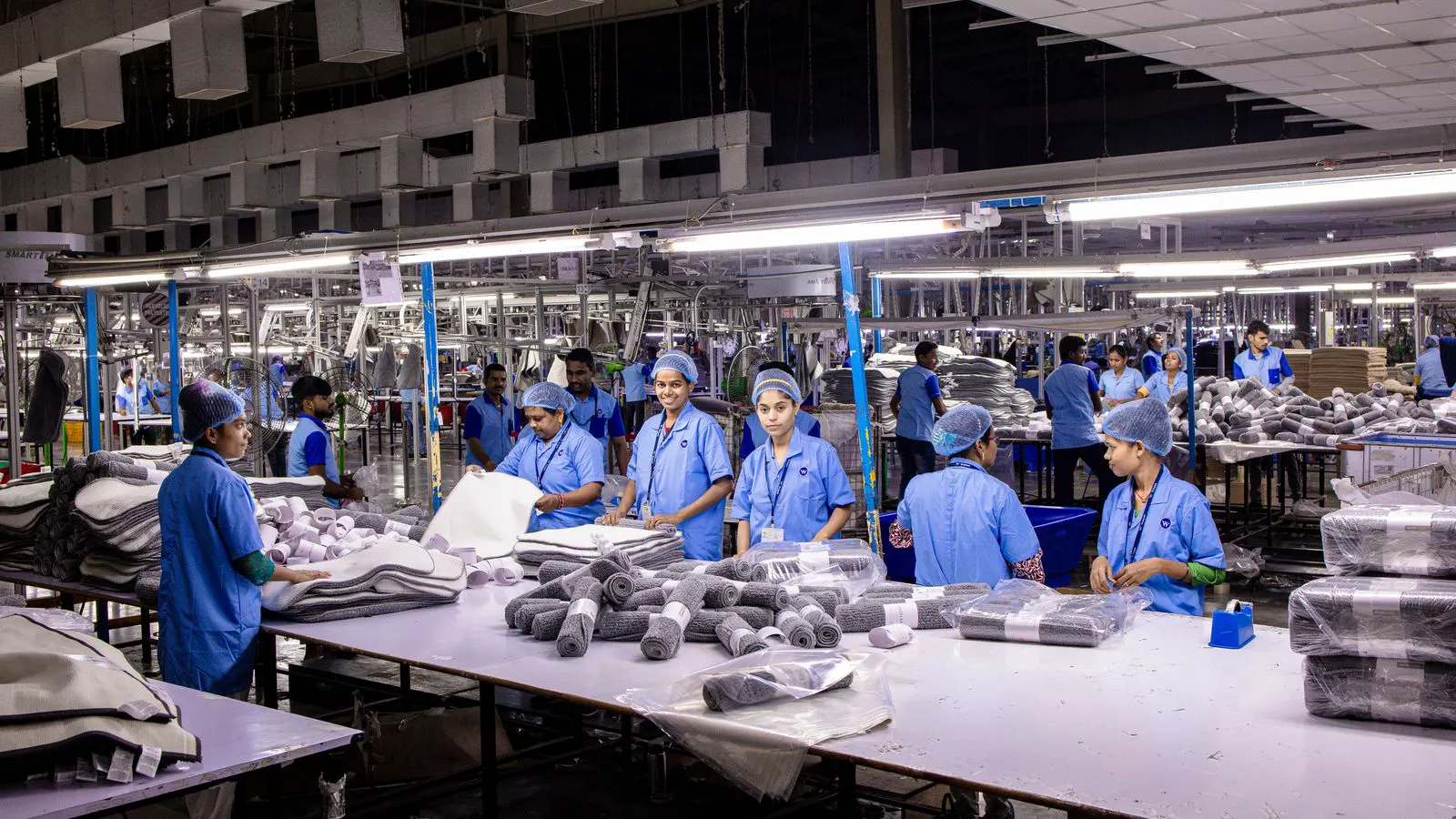
Factory direct sourcing means buying straight from the manufacturer. You skip intermediaries and deal with the production team. This model is common for large-scale projects, private label programs, or buyers who need custom specifications.
The factory controls the entire process. It handles component sourcing, assembly, testing, and packaging. You usually specify the electrical specs, housing design, and finish. The manufacturer then quotes a price based on volume. The pricing structure often shifts from a flat rate to a tiered discount as the order quantity increases. For instance, a quote for 500 units may be significantly higher per unit than a quote for 5,000 units, but the total cost difference narrows the gap compared to buying through a local reseller.
This approach works well when you need specific technical features. If your project requires a particular CRI level, a narrow beam angle, or a special mounting system, the factory can often build it to your drawing. You also have access to raw material data. You can see the LED chip source, driver brand, and thermal design. This transparency matters for high-end applications. You can request datasheets for the specific aluminum extrusion used in the housing or the type of thermal paste applied to the heat sink. In some cases, you can even specify the IP rating for the gasket or the type of anti-corrosion coating used on the internal components.
The downside is responsibility. When you buy direct, you handle the logistics. You arrange shipping, clear customs, and manage the inventory. If a batch fails inspection, you deal with the factory directly. There is no local reseller to call at 2 AM when a building system fails. You must also manage the documentation for import duties and customs clearance. A delay in a single container can halt a construction schedule.
Quality control also falls on you. You must define your acceptance criteria. You may need to hire a third-party inspection service for the first shipment. The factory may meet its internal standards, but your project may need stricter tolerances. You need to agree on the sampling plan. Do you inspect 10 percent of the units, or do you test 100 percent? You need to define what constitutes a defect. Is a slight color variation in the housing paint a reason to reject the batch? These details must be in the purchase order to avoid disputes later.
What a Lighting Distributor Brings to the Table
A lighting distributor buys from manufacturers and resells to installers, contractors, or end users. The distributor maintains a local stock of common products. It handles the technical support, warranty claims, and delivery.
This model suits projects where speed and local support matter. If you are an installer, you need a supplier you can call the next day. You need a product you can install without waiting for a custom order. The distributor knows the local building codes and can suggest compliant solutions. For example, if a local code requires a specific emergency egress lighting standard, a distributor can quickly identify which fixtures in stock meet that requirement.
Distributors also manage the warranty process. When a fixture fails, you report it to the distributor. It works with the manufacturer to replace the unit. You do not need to ship a defective panel back to an overseas factory. The distributor usually has a local depot where you can drop off the defective item. They handle the return logistics and the paperwork. This removes a significant burden from the installer or the facility manager.
The cost is higher. The distributor adds its margin to cover overhead, storage, and service. You pay for convenience and risk management. For a small project, that premium is often worth it. For a large volume order, it can add up quickly. However, the distributor may also offer bundled pricing or volume discounts that offset the higher unit cost.
The product range is also broader. A distributor carries multiple brands. It can mix fixtures from different manufacturers in one order. This flexibility helps when you need a specific product for one room and a different one for another. You can order a high-CRI LED panel for an office and a standard LED downlight for a hallway in a single delivery. This simplifies procurement and ensures that all materials arrive at the site at the same time.
Key Differences at a Glance
| Option | Best for | Limitations |
|---|---|---|
| Factory Direct | Large volumes, custom specs, private label | Higher logistics risk, slower support, strict QC needed |
| Lighting Distributor | Small projects, fast delivery, local support | Higher unit cost, limited custom options |
| Hybrid Model | Mixed needs, phased projects | Complex coordination, split inventory |
| Multi-Source | Risk mitigation, price comparison | Quality consistency, management overhead |
When to Choose Factory Direct
Factory direct sourcing makes sense for specific project types. If you are building a large facility and need thousands of identical fixtures, the volume discount outweighs the risk. You can negotiate longer payment terms. You can lock in a price for the entire order. This price lock is particularly useful when material costs are volatile. If you know the project will take six months to complete, locking in the price now protects your budget.
It also works well for private label programs. If you are a brand that wants your own logo on the product, the factory is your only option. You can control the packaging, the user manual, and the warranty card. You can even specify the color of the internal wiring or the label on the driver. This level of control is essential for brands that want to differentiate their product from generic options on the market.
Consider this model when you have a dedicated procurement team. You need people who can speak to engineers, review test reports, and manage shipping documents. Without this capability, the factory relationship can become a source of problems. A typical mistake is assuming that a standard email exchange is enough to manage a complex manufacturing process. You need a point of contact who can handle technical queries and logistics issues simultaneously.
You should also consider it when you have a long-term plan. If you are building a portfolio of properties over several years, a direct relationship with a factory gives you consistency. You know the source. You can standardize your lighting across locations. This standardization simplifies maintenance. Your maintenance team only needs to learn one type of fixture. Spare parts are easier to order and store.
When to Choose a Lighting Distributor
A lighting distributor is the right choice for most residential and commercial projects. If you are an installer, you need a supplier who understands your workflow. You need a product you can install in minutes. You need a local address for returns.
Distributors are ideal for retrofit projects. You are replacing existing fixtures. You need a product that matches the old specs or improves on them. You do not have time to wait for a custom order. The distributor has the stock on the shelf. For example, if you are replacing a fluorescent troffer with an LED version, the distributor can provide the exact form factor and mounting system required. This minimizes installation time and reduces the risk of errors.
This model also works for mixed projects. If you need a high-CRI fixture for a gallery and a standard fixture for a parking garage, a distributor can source both in one order. You get one invoice and one delivery. This simplifies the accounting process. You do not have to manage multiple vendors or coordinate multiple delivery windows.
The support is the main benefit. If a driver fails in a hospital corridor, you call the distributor. It sends a replacement the next day. The manufacturer is not involved in the daily operations. You are. The distributor acts as a buffer between you and the manufacturer. They absorb the technical and logistical friction. This allows you to focus on your core business, whether that is installation or facility management.
Verifying Capability Before You Buy
Regardless of which model you choose, you must verify the supplier. A factory may claim to have ISO certification. A distributor may list a brand as a “preferred partner.” These claims need checking.
For factories, request a recent test report from a third-party lab. Look for the specific model number. Check the CRI, CCT tolerance, and lumen maintenance. Ask for a sample unit. Do not rely on the catalog photos. A sample unit allows you to inspect the build quality, the finish of the housing, and the quality of the wiring. You can also test the light output in a real-world environment. This is crucial for verifying that the fixture meets your project requirements.
For distributors, check the warranty terms. Who is the warranty holder? Do you need to return the unit to the distributor or ship it to the factory? What is the replacement time? These details matter more than the price. A lower price is not worth it if the warranty process is slow and complicated. You need to know that if a fixture fails, you will have a replacement quickly.
Also check the technical support. Can you get a lighting designer or an engineer by phone? Or only a sales rep? For complex projects, you need engineering support. A sales rep can sell you a fixture. An engineer can help you size the system. If you are designing a new building, you need someone who can help you calculate the illuminance levels and the power consumption. This expertise saves time and prevents costly mistakes.
Managing the Risk of Each Model
Every supplier carries risk. The goal is not to eliminate risk. It is to manage it. With factory direct, the main risks are logistics and quality. With distributors, the main risks are price and inventory.
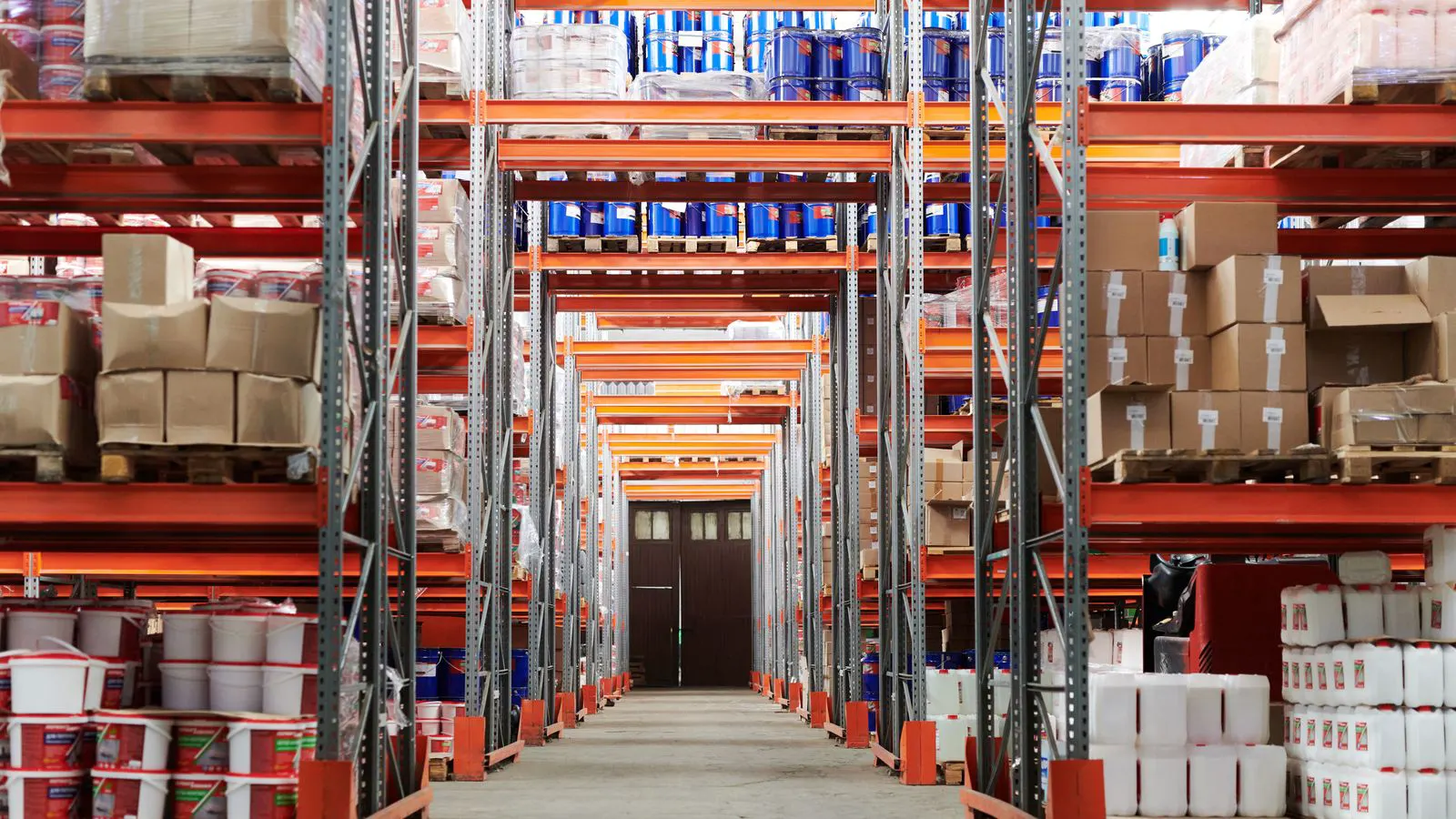
For factory direct, split your order. Do not put all your stock on one shipment. Keep a small buffer in your own warehouse. This protects you if a container is delayed. A delay in a container can happen due to weather, port congestion, or documentation errors. Having a buffer ensures that your project can continue even if the main shipment is late.
For distributors, check the stock availability. Do not assume a product is in stock. Ask for a committed delivery date. If the distributor cannot guarantee it, have a backup source ready. It is common for distributors to list a product as in stock, only to find out that the last units were sold. A backup source prevents this situation. You can quickly switch to an alternative product if the primary one is unavailable.
In both cases, document everything. Keep the purchase order, the test reports, and the communication records. If a dispute arises, these documents are your defense. A clear record of what was agreed upon helps resolve issues quickly. It also serves as a reference for future orders.
The right LED supplier is not the cheapest one. It is the one that fits your project. If you need speed and support, buy from a distributor. If you need cost and control, buy factory direct. Or use a hybrid model if your project demands it. The choice depends on your scale, your expertise, and your tolerance for risk.
Frequently asked questions
Can I buy factory direct for a small project?
Yes, but the minimum order quantity is usually high. You may end up paying more per unit than you would through a distributor if you cannot fill the minimum order.
How do I verify a factory's quality?
Request a recent third-party test report for the specific model. Order a sample unit and test it under real conditions. Check the component brands and the thermal design.
Is it safer to buy from a distributor?
Generally, yes. Distributors handle warranty claims and local support. You do not deal with customs or overseas logistics. The risk is lower.
Can I mix factory direct and distributor purchases?
Yes, many projects use both. You might buy high-volume standard fixtures factory direct and buy low-volume special items from a distributor. This balances cost and flexibility.
What is the biggest mistake buyers make?
Choosing a supplier based only on price. Buyers often ignore the support terms, the warranty process, and the technical capability. This leads to problems during installation and maintenance.